
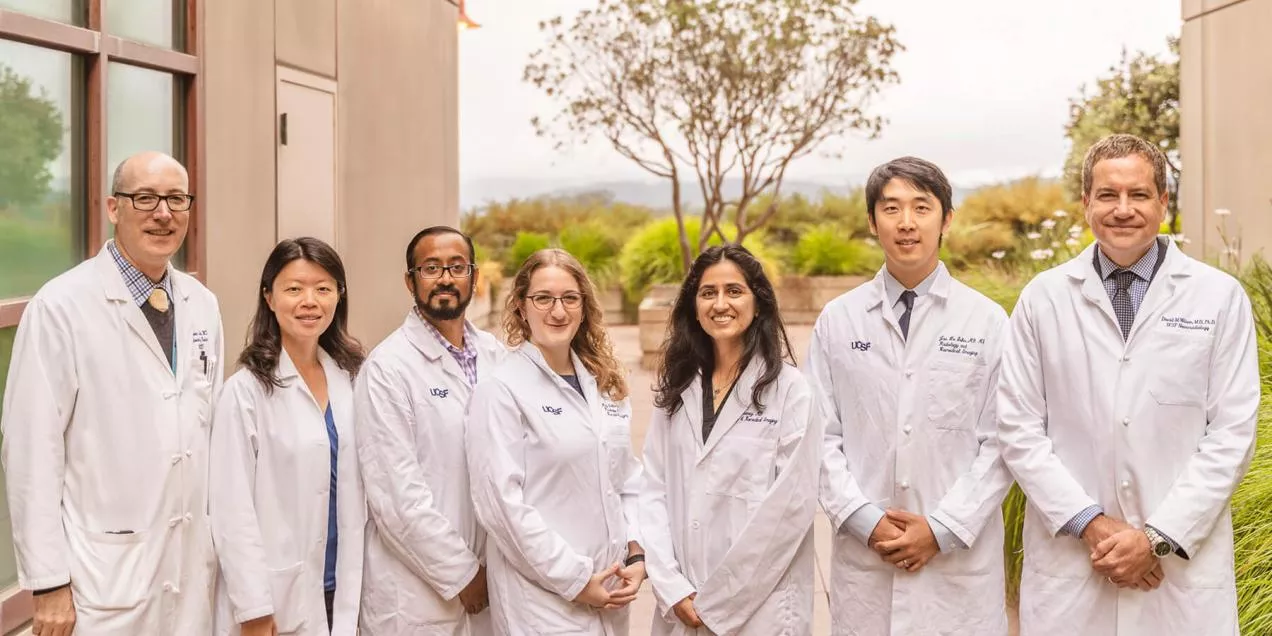
The T32 program at the Department of Radiology at the University of California, San Francisco offers three one-year positions dedicated to advanced training in biomedical imaging research. The Department has a long record of excellence in clinical and academic radiology, and has one of the largest research enterprises funded through intra- and extramural funding and private donors. With numerous outstanding basic scientists and clinicians engaged in cutting edge imaging research across five principal campus units, the university provides a fertile ground for interdisciplinary collaboration. The T32 program exists to jumpstart the academic careers of junior radiologists and nuclear medicine physicians and to provide the essential foundation for developing a research program as an independent investigator.
T32 Program Mission
The goal of the T32 program is to train a new generation of leaders in academic radiology with expertise in biomedical imaging research by providing a facilitated transition between residency/fellowship and academic faculty positions in Radiology & Biomedical Imaging. These individuals will play a major role in maximizing the healthcare benefits that will flow from interdisciplinary translational research linking advances in the sciences of genomics, proteomics and bioinformatics with continual technological evolution in biomedical imaging. We believe that UCSF is ideally positioned to train these future leaders, because it provides the critical combination of exceptional residents and faculty in an environment of excellent funding, established interdisciplinary cooperation, and outstanding institutional and departmental resources.
T32 Program Description
The T32 program is sponsored by a grant from the National Institute of Biomedical Imaging and Bioengineering (T32 EB001631), and is designed to give radiologists-in-training and junior nuclear medicine physicians the skills required to become independent clinical scientific investigators and leaders in academic biomedical imaging. The T32 program includes focused mentoring and formal training in clinical research, biostatistical methods, and grant writing. Trainees will complete one year of full-time dedicated research supplemented by appropriate core and project-specific coursework in one of 4 systematic tracks (Abdominal Imaging, Musculoskeletal Imaging, Neuroradiology, and Molecular/Nuclear Medicine) followed by an additional clinical fellowship with dedicated research time in the associated section. The tracks are based on existing sections in the UCSF Department of Radiology and Biomedical Imaging that have an ongoing and established commitment to multidisciplinary collaborative research in biomedical imaging, although the program emphasizes flexibility and alternative approaches may be possible according to individual interests. Mentorship and supervision will be provided by teams incorporating radiologists, basic scientists, and clinicians. These teams will also include senior NIH funded researchers. The department provides state of the art imaging facilities with extensive laboratory support.
T32 Application Process
T32 Program
T32 Program Directors
T32 Program Executive Committee Members
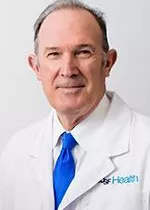
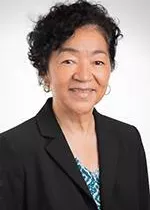
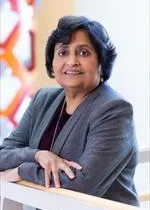
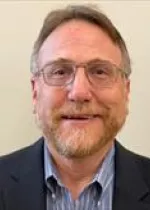
 Dr. Daniel Lowenstein, MD is a Professor of Neurology, Executive Vice Chancellor and Provost, the Robert B. and Ellinor Aird Professor and Vice Chairman in the Department of Neurology and former Director of Physician-Scientist and Education Training Programs for the UCSF School of Medicine. Dr. Lowenstein is an accomplished scientist and teacher, who received multiple awards. Dr. Lowenstein has also been actively involved in defining scientific policy at the national level, having served a 4-year term as a member of the Advisory Council of the National Institute of Neurological Disorders and Stroke (NINDS) and Chair of the NINDS Clinical Trials Subcommittee from 2000-2004. Moreover, Dr. Lowenstein has had an active role at UCSF concerning issues related to cultural diversity and civil rights.
 Dr. Rick Hecht, MD is a Professor of Medicine and Director of the UCSF T32 program, Training in Research in Integrative Medicine. He is the Director of Research at the UCSF Osher Center for Integrative Medicine and Osher Foundation Endowed Chair in Research in Integrative Medicine. Dr. Rick Hecht is trained in internal medicine, with fellowship training in clinical epidemiology and clinical research methods. Dr. Hecht has been the principal investigator of 10 grants from the NIH’s National Center for Complementary and Integrative Health (NCCIH), including two Center for Excellence in Research on Complementary and Alternative Medicine grants.
 Dr. Chuck McCulloch, PhD is Professor and Head of the Division of Biostatistics at UCSF. He is Vice Chair of the Department of Epidemiology and Biostatistics. Dr. McCulloch has over 40 years of statistical consulting experience and served as an advisor for multiple grant applications originating from the Department of Radiology and Biomedical Imaging. He has mentored multiple clinician scientists during his career. Dr. McCulloch is also involved in a critical teaching component of our program, the Summer Clinical Research Workshop, organized by the Department of Epidemiology and Biostatistics, which provides solid research training for our T32 fellows.
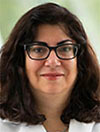 Dr. Pamela Woodard, MD is the Director of the TOP-TIER T32 program of the Mallinckrodt Institute of Radiology at Washington University, she is also a Professor of Radiology and Biomedical Engineering and Senior Vice Chair and Division Director of Radiology Research Facilities at Mallinckrodt Institute of Radiology.
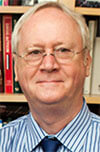 Dr. John Gore, PhD is Professor of Radiology and Radiological Sciences, Biomedical Engineering, Molecular Physiology and Biophysics, and Physics, and Director of the Center for Imaging Sciences at Vanderbilt University Medical Center. He is also the program director of the NIBIB funded Postdoctoral Training in Biomedical MRI and MRS T32 program at Vanderbilt University Medical Center.
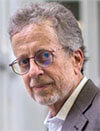 Dr. Sandy Napel, PhD is the T32 program director of Stanford’s Cancer Imaging Training (SCIT) Program, which is funded by NCI. Dr. Napel is a Professor of Radiology (Integrative Biomedical Imaging Informatics) and, by courtesy, of Medicine (Medical Informatics) and of Electrical Engineering at Stanford University. He is also Division Chief of IBIIS (Integrative Biomedical Imaging Informatics at Stanford), and co-director of the Radiology 3D and the Quantitative Imaging Lab.

